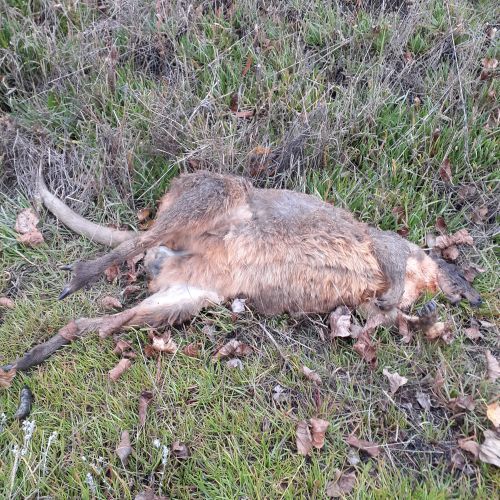
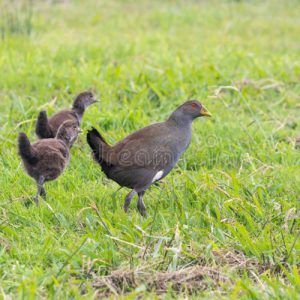
For all the bounty harvested from the garden at the moment, summer can be a distressing time of the year. Hot dry summers mean plenty of time spent watering the plants of course, but they also signal a rise in animal fatalities on our roads. It’s also the time of year that our local farmer separates the youthful steers from their mums. And unsurprisingly the mums are upset. They aren’t afraid to vocalise their distress either, keeping up the lowing and keening pretty much non-stop for three days. And nights. The mother-son bond is strong, but the bond can also be strong for wildlife. I was reminded of this the other day after finding a native hen on the roadside that must have been whacked by a car. This was an adult bird, and probably one of the parents of a family we’ve seen several times lately crossing the road from the paddock to the riverbank. Mum, dad and four chicks – now almost fully grown.
While pairing up isn’t necessarily a lifetime bond for native hens, there still does seem to be a closeness if the behaviour of one of the birds I spotted this morning is anything to go by. A bird I strongly suspect was the partner of the one that was killed was obviously searching for something other than food. I guessed it was probably his/her mate. These family groups of native hens hang around together and they do tend to throw caution to the winds when it’s time for the parents to show the kids around the neighbourhood. Out our way this can often involve crossing the road so it’s unsurprising a few of them don’t make it. Usually though, it’s one of the inexperienced chicks.
But it’s not only native hens that come to grief as the young ones grow up. In the last week I’ve also found a dead magpie, an eastern rosella, a young rabbit, and a copperhead snake. As well as on one memorable morning of carnage, three wallabies. It prompted me to write a letter to our local community newsletter, urging people to slow down when driving, and to consider our wildlife. I can only hope it will make a difference:
“Another plea to everyone in our community to please, please, PLEASE slow down when driving along our roads, and to be aware of our precious wildlife. Recently I was obliged to remove no less than three roadkilled bennetts wallabies – all male.
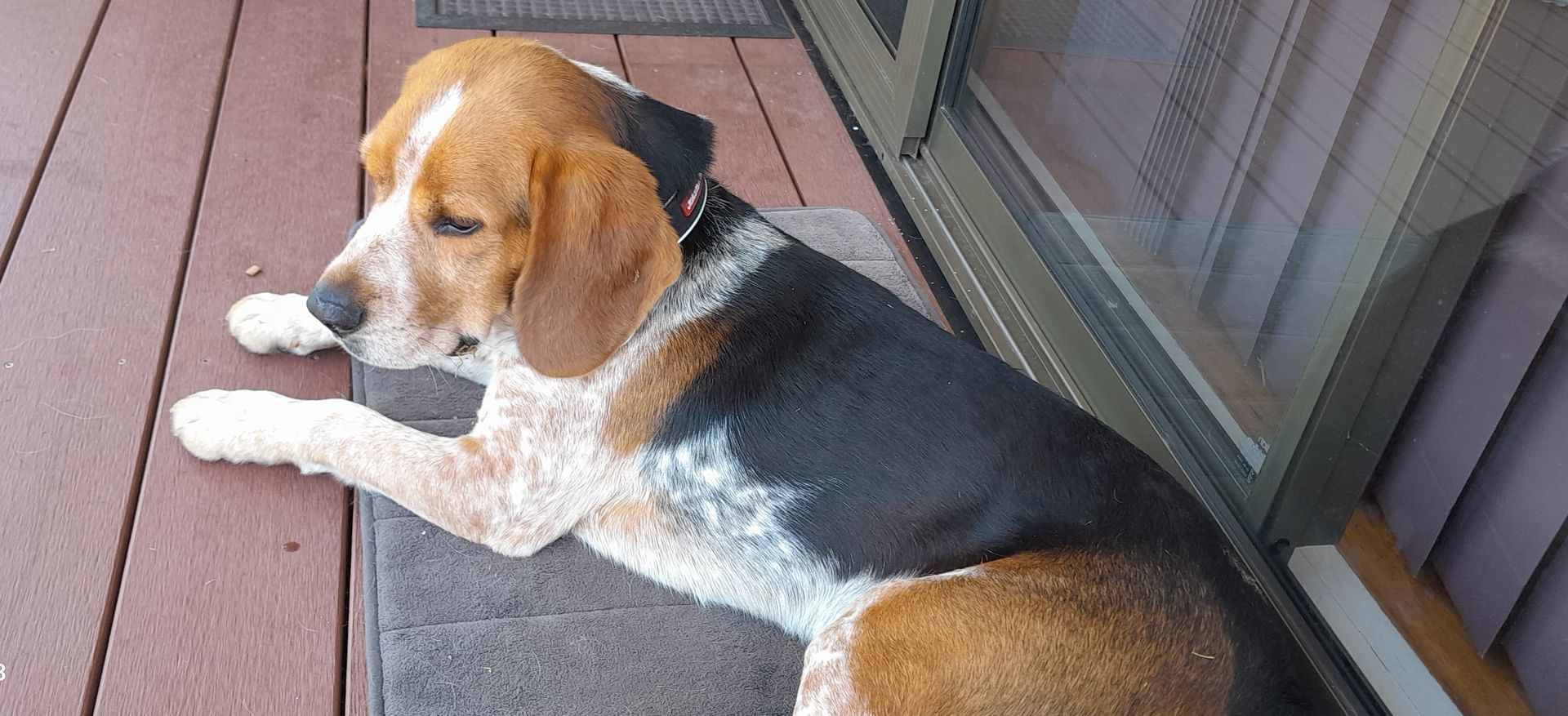
One was found while walking our dog, then two more when on my way to an appointment in town. All were killed along our road. Two had been very recently killed as they were still warm, and the oozing blood was still wet.
At this time of year when vegetation is drying out and wildlife are more likely to be checking out the grass along the verges, and seeking a bit of moisture, they are also more likely to be active outside the traditional dusk to dawn timeline. All the development in our area is slowly displacing our wildlife, and reducing their decreasing habitat even further.
Please consider that this area is their home too. And it was their home long before all of us arrived. We are incredibly fortunate to have wildlife living so close. Most of us, I’m sure, value, appreciate and enjoy their proximity. So please do your bit to help protect and maintain it. It’s worth remembering too that vehicle damage from colliding with a bennetts in particular – can be significant. And expensive. Thank you.”
It’s beyond distressing to find carcasses on the roadside so to any and all who stumble across this post, please take note. And remember we do indeed share this planet with other creatures, many of whom are now living on the edge due in large part to human activity, and a rapidly changing climate.
Share this post on socials