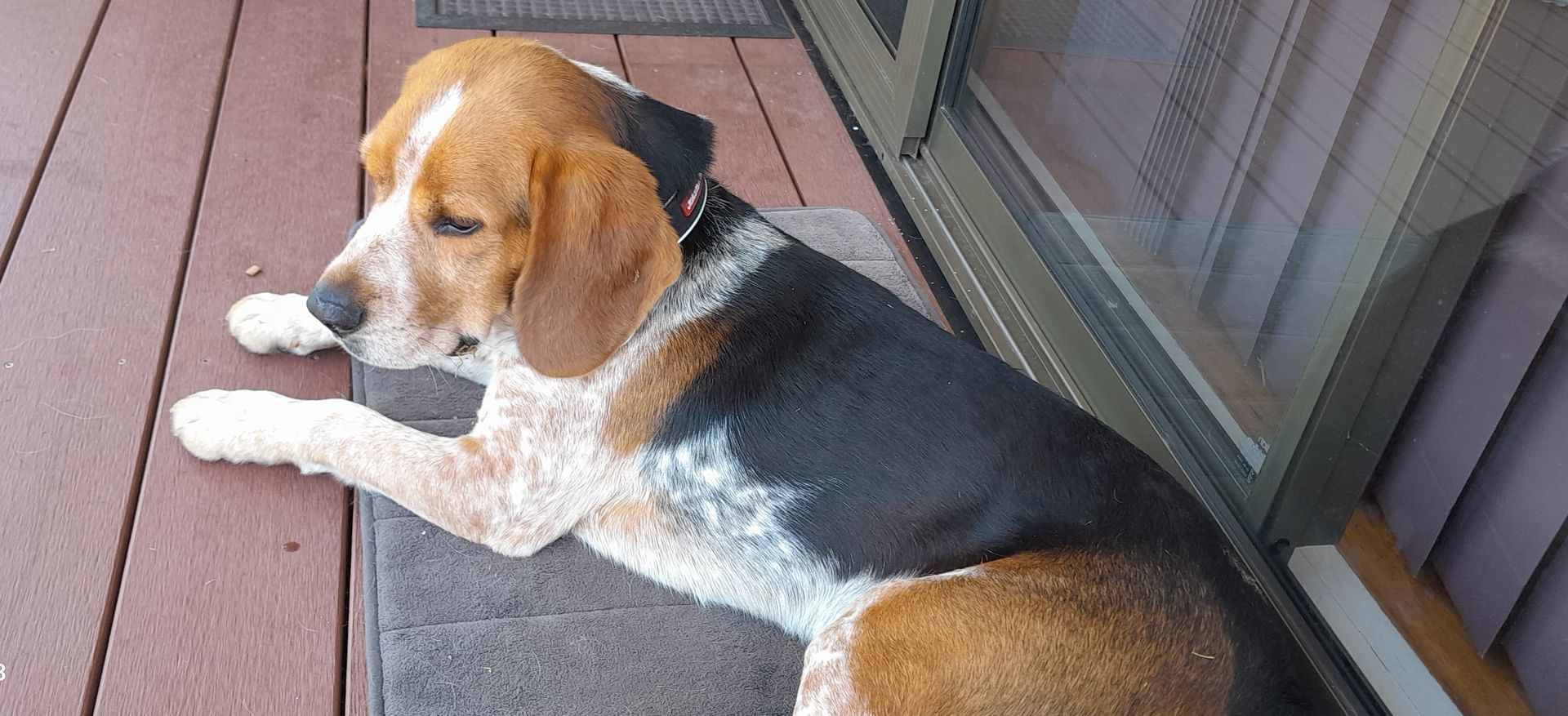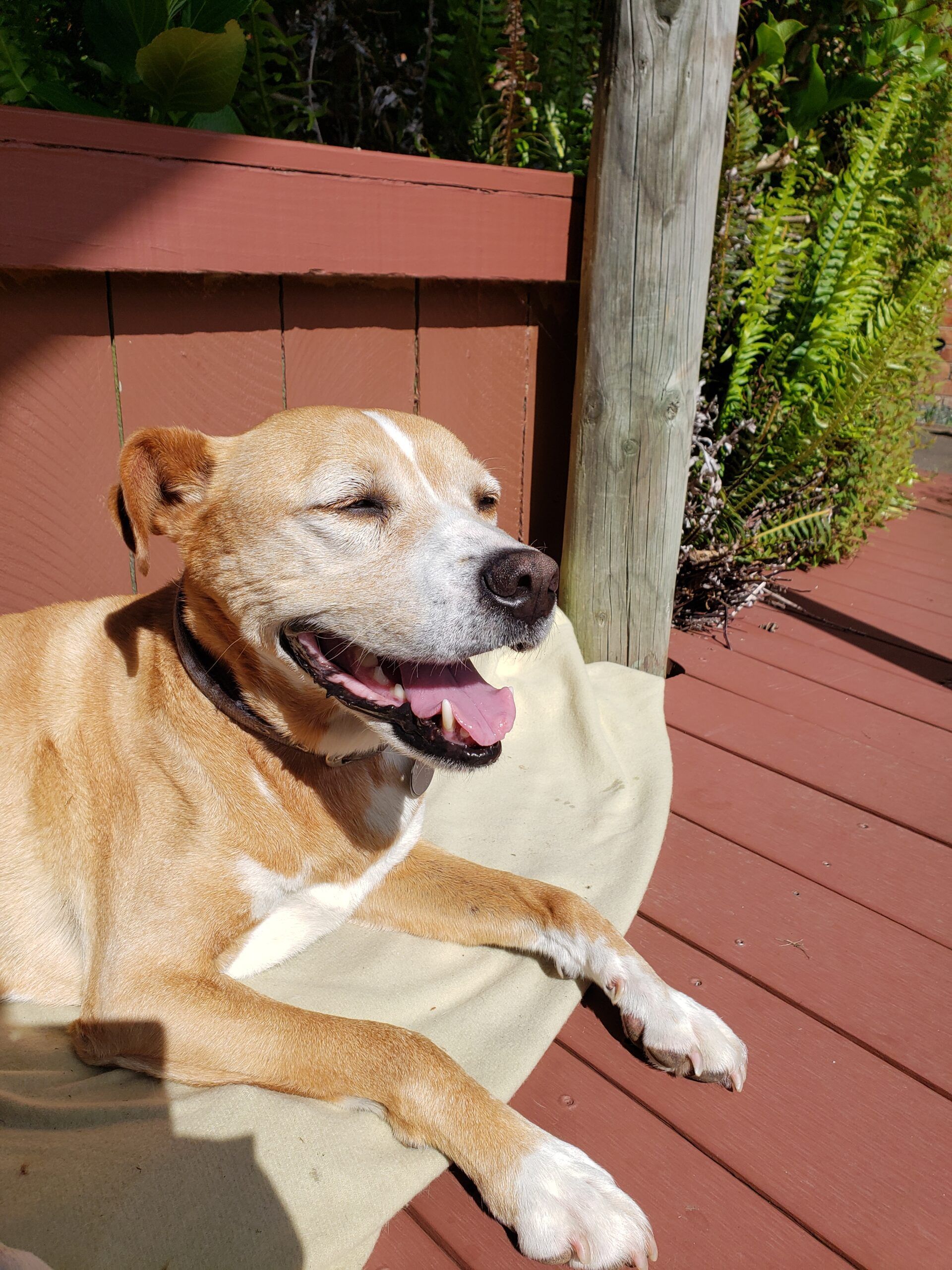
Della came into our lives as a rescue dog in December 2013. She’d been found wandering the streets by the RSPCA, and was thin, starved and had clearly been a victim of abuse. She was thought to be approximately eight months old.
When we first decided it was time to welcome a new dog into our lives, (we’d said goodbye to Mona a few months earlier) we decided a rescue dog was the way to go. John was initially very taken with a young large, lovely and very lively male black dog, that was part Labrador. Gorgeous though he was I felt he might be a bit too strong and boisterous for me – and he’d also need a lot of exercise which we couldn’t necessarily give him. Plus, we prefer to have female dogs.
Della – or Princess as the RSPCA had named her – was a few pens along. She was more interested in the food than in us and was very timid when we did ask to spend a little time with her, as the RSPCA now like potential adopters to do. A couple more visits and we decided to adopt her – which meant choosing a name. Previously we’ve held off naming our dogs immediately – waiting for a name to choose them. But the adoption papers required a name. Della emerged as the front contender and is a play on Mandela. The suggestion came from a colleague of mine at the time. We were both admirers of Nelson Mandela, who had recently died. So Della she became.
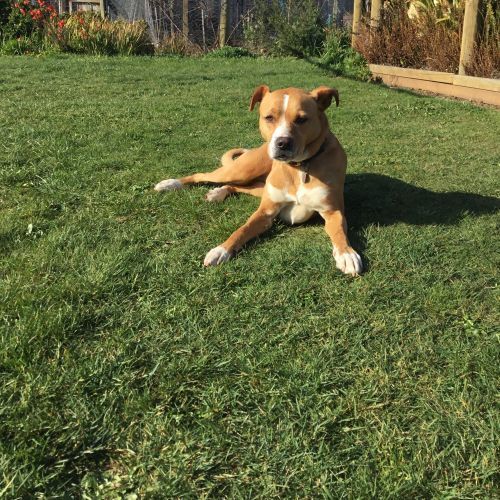
For several months Della was a very timid, needy little dog. She was wary of strangers, especially if they were male. It took a long time for her to overcome her fear of a suddenly raised arm, or a broom or rake picked up too quickly. We can only assume these were associated with a beating. The trauma went deep as she never quite got over her instinctive wariness about these tools, or a sudden and unexpectedly raised arm. Nevertheless by the time we moved to our new property Della had became a more relaxed and contented dog who was happy enough around other dogs.
So it was beyond distressing this hard-won equilibrium was shattered when our then-neighbour’s St Bernard finally chose to jump the fence. She attacked Della while we were walking past the house one afternoon. As we did every afternoon. My theory is that this animal was jealous of her canine cousin being taken out so regularly while she never went anywhere. At least we never saw it being walked or even being paid much attention.
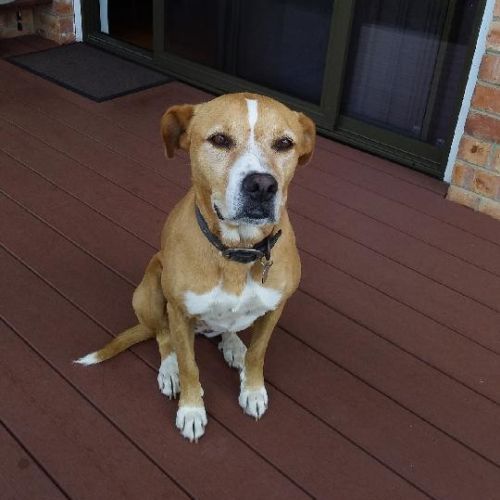
This encounter wasn’t the only one either. At least three more escapes and attacks occurred over the next few weeks and months. This poor dog’s fate was sealed was when it escaped and killed another neighbour’s chickens. Clearly it had to go. But for Della the damage had been done. She was never the same around other dogs. With only one or two exceptions – all of them male – she turned into a female Jekyll and Hyde displaying full-on aggression. And she was a strong animal and difficult to restrain. Her breed was indeterminate – albeit with a good dollop of basenji in the genes – but it was definitely a case of attack first and ask questions later.
Yet with humans she was fine. A gentler and more placid dog would be hard to find. Butter wouldn’t melt. Such a shame but an indication of the trauma dogs – and any animal if it comes to that – when they feel threatened or vulnerable to attack.
It was bone cancer that claimed Della in the end – as it does many thousands of dogs each year. It was very aggressive given the speed of her deterioration and the wasting away was shocking to witness. But dogs are so stoic. They don’t whinge or articulate their pain. They just lie quietly but their expression is obvious. They’re not happy. We had to make the decision to end the misery. And we did that on Tuesday. Now she’s in the paddock where she loved to run and sniff out rabbits. A headstone marks the spot. RIP Della. You were a lovely, lovely dog and didn’t deserve such a tough end.
Share this post on socials