July 7, 2021

First Base . . .

. . . . At least so far as reaching the first word count target goes, and the goal I had to achieve before taking the draft to my mentor for her first proper review.

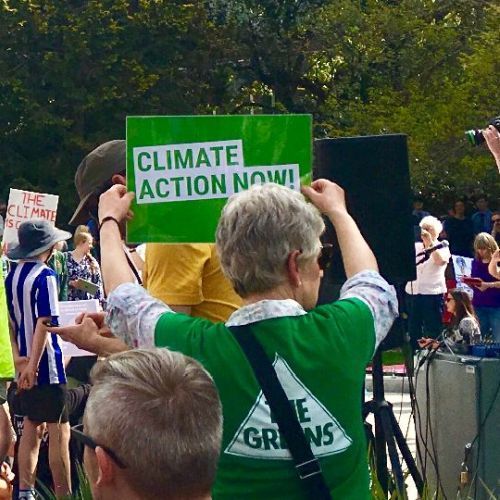
I feel fortunate in securing Robyn’s mentoring skills. As I know from others who’ve benefited from her editing criticism and advice she’ll pull no punches, but many of her writing class students over the years have gone on to find serious publishing success with their novels and memoirs. And all of them credit her mentorship in achieving that success. But for all kinds of reasons she chose to hang up her red editing pens a couple of years ago, and was therefore ambivalent about my request to consider steering me along my book-writing adventure. My initial approach was at a Schools4Climate rally we both attended. Robyn said she would think about it, but it was several months later, at a subsequent climate rally that she came across and said yes, she would do it. Phew.

It could be the subject matter that swung things in my favour – Robyn was among the thousands who campaigned against the pulp mill – but her agreement certainly galvanised me into more serious action. At that point, it has to be said, I’d not actually written a great deal but I duly took the few thousand words I had completed for her to read through. She made no comment but she still probably gave me the best advice I could have after reading them and learning how I envisaged the book developing. ‘Just get it down’ she said. ‘Don’t worry about how the stories fit together at this point, just write it down. And don’t come back to me until you have at least 15,000 words.’

Well, I’ve reached that magic number, so now it’s time to see what she thinks. By the end of next week I’ll feel either elated, enthused, and raring to write the next 20,000 words, or despondent at the thought of all the potential changes. Fingers crossed it will be the former.


Share this post on socials

Magni
By Anne Layton-Bennett June 14, 2026
It’s taken far too many months for this marvellous model to grace the dedicated desk space in my office. When Fiona comes to visit next she will be very surprised, and hopefully gratified, that her amazing creative talent is finally on display. We’ve known each other for a very long time, and during the insanely busy time when I was helping to run the flower farm, working part-time in a school library, doing a spot of journalism on the side, and fighting the proposed pulp mill that is the subject of the manuscript I’m hoping to get published, Fiona cleaned my house each week. There’s only so much a person can do after all, and it has to be said cleaning our house during those manic years was fairly low down on the list of my priorities. But Fiona is a woman of many talents and she certainly possesses one that I so don’t have: sewing and dressmaking. So over the years she’s also made a few garments based on the pattern of a favourite garment that I was particularly fond of, and she’s also done some clothing alterations for both of us. My skills with needles and thread are limited to sewing on buttons, and taking up hems on John’s too-long pairs of jeans. Anything else is beyond me. But this fabulous model is the pièce de résistance – along with the beautiful crocheted knee warmer she gave me last year. This was when winter was approaching and so determined was I to finish writing the book, I decided to get out of bed at the insane hour of 5am and get in a solid hour’s writing in before dog walking and the demands of the day took over. Fiona was also one of many Tasmanians who needed to be circumspect about her opinion of the pulp mill. It was a project that polarised people, including families and friendships. She was one of several who passed on snippets of useful information, but on the basis of anonymity so it couldn’t be sheeted home to her.  Needless to say Fiona will be one of those whose contribution will be acknowledged – when this book is finally accepted by a publisher.
By Anne Layton-Bennett June 8, 2026
Early lambing season a sign of changing seasons? Or economic reality?
By Anne Layton-Bennett May 18, 2026
Changing climate is affecting plants, and they are increasingly confused by a warming world. Yet despite the warnings by scientists about the risks of more frequent weather extremes, governments are still failing to act quickly enough.

Latest from my blog...