July 24, 2023

Feeding the birds

We first noticed the arrival of a pair of turtle doves on our property around three years ago. Since I knew the species isn’t native to Tasmania I wondered where they’d come from. Their distinctive cooing call reminded me of visits to my grandmother’s home in the south of England when growing up. The birds weren’t common in the North, or not where we lived anyway, so hearing the gentle coo coo always takes me back to the lush rural landscape of Highclere, in the UK.


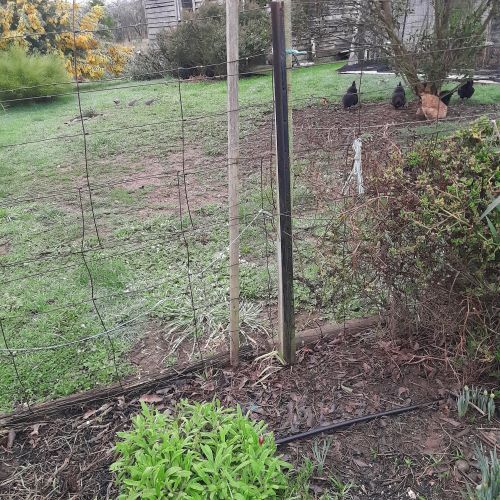
Nowadays though that pair of turtle doves has grown to over 20 birds, so as well as being successful in the breeding department, they’ve clearly worked out where their bread is buttered. Or where there’s likely to be a feed of grain. It no doubt comes with having a few chooks, and the doves – along with various parrots, eastern rosellas and sparrows – have clocked on to when breakfast is served at our place.
Finding food in winter is always a challenge for many bird species, especially those who rely on seeds, flowers or insects for their sustenance. These are all scarce during the colder months, but even so we can’t remember quite so many birds turning up at chook meal times before.

I’m conflicted about feeding wild birds regularly, although have been obliged to turn a blind eye to John feeding the small troupe of magpies on a daily basis. We inherited the magpies with the property thanks to the previous owner feeding them. At least I’ve encouraged him to reduce their feeds to once a day rather than two.


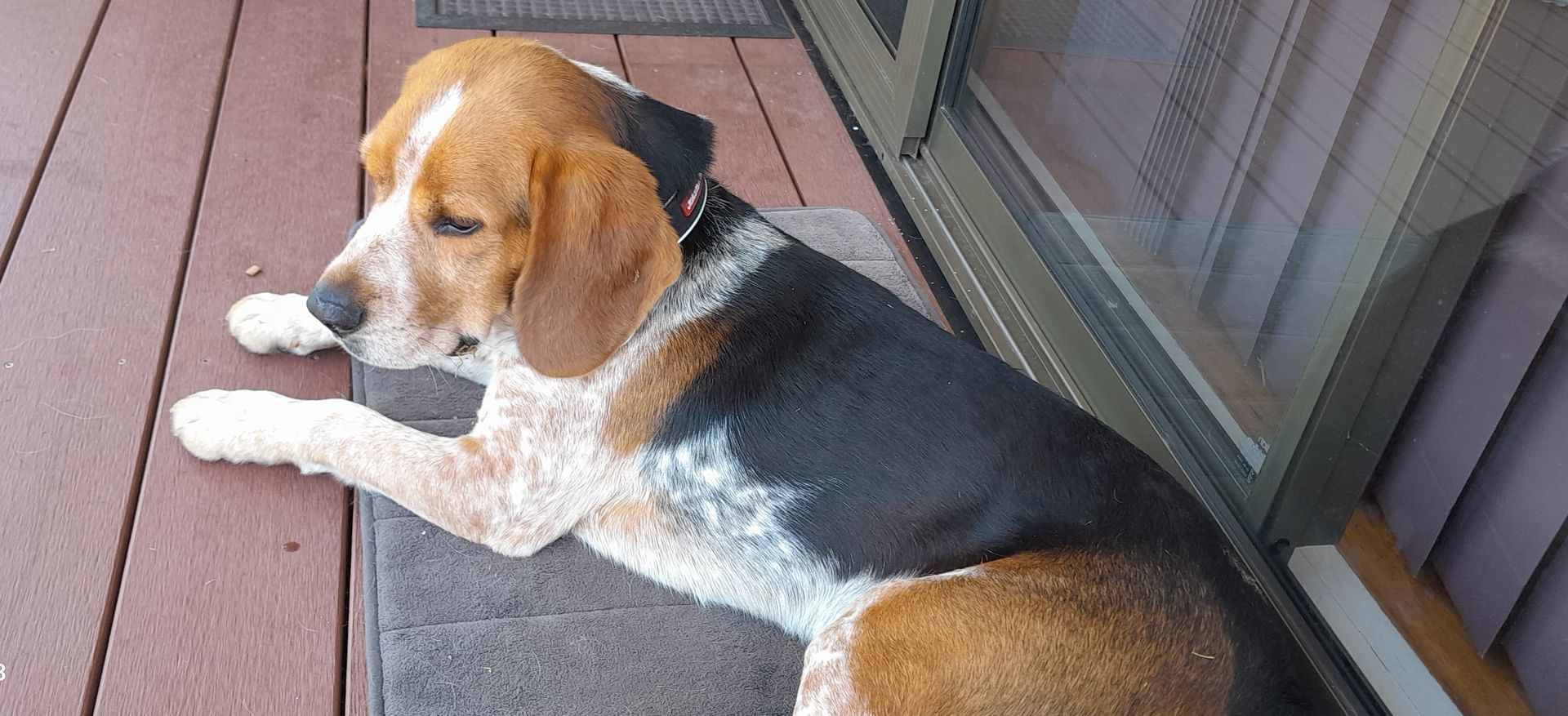
But as it’s winter, and recognising finding food is tough, we’ve relented enough this year to buy a bag of seed designed for wild birds. To be honest it looks pretty similar to the mixed grain ‘muesli’ seed the chooks have, but at the moment after I’ve walked Della dog, I now juggle two containers of grain in my hands each morning. One for the chooks, and another for the doves, sparrows and rosellas that are swinging on the wire and waiting patiently and optimistically for their share. At least there’s no squabbling and they all seem quite happy to mingle as they peck away.

Humans could learn a lot from their behaviour.

Share this post on socials

Magni
By Anne Layton-Bennett June 14, 2026
It’s taken far too many months for this marvellous model to grace the dedicated desk space in my office. When Fiona comes to visit next she will be very surprised, and hopefully gratified, that her amazing creative talent is finally on display. We’ve known each other for a very long time, and during the insanely busy time when I was helping to run the flower farm, working part-time in a school library, doing a spot of journalism on the side, and fighting the proposed pulp mill that is the subject of the manuscript I’m hoping to get published, Fiona cleaned my house each week. There’s only so much a person can do after all, and it has to be said cleaning our house during those manic years was fairly low down on the list of my priorities. But Fiona is a woman of many talents and she certainly possesses one that I so don’t have: sewing and dressmaking. So over the years she’s also made a few garments based on the pattern of a favourite garment that I was particularly fond of, and she’s also done some clothing alterations for both of us. My skills with needles and thread are limited to sewing on buttons, and taking up hems on John’s too-long pairs of jeans. Anything else is beyond me. But this fabulous model is the pièce de résistance – along with the beautiful crocheted knee warmer she gave me last year. This was when winter was approaching and so determined was I to finish writing the book, I decided to get out of bed at the insane hour of 5am and get in a solid hour’s writing in before dog walking and the demands of the day took over. Fiona was also one of many Tasmanians who needed to be circumspect about her opinion of the pulp mill. It was a project that polarised people, including families and friendships. She was one of several who passed on snippets of useful information, but on the basis of anonymity so it couldn’t be sheeted home to her.  Needless to say Fiona will be one of those whose contribution will be acknowledged – when this book is finally accepted by a publisher.
By Anne Layton-Bennett June 8, 2026
Early lambing season a sign of changing seasons? Or economic reality?
By Anne Layton-Bennett May 18, 2026
Changing climate is affecting plants, and they are increasingly confused by a warming world. Yet despite the warnings by scientists about the risks of more frequent weather extremes, governments are still failing to act quickly enough.

Latest from my blog...